Showing posts with label Sleep Apnea Treatment NJ. Show all posts

Friday, March 13, 2015

Sleep deprived? Naps might help your immune system.

Published March 06, 2015 - Reuters

man-napping-resting640.jpg

Getting too little sleep is linked to poor health, but short naps might partly offset that effect, a small study suggests.

Sleep deprivation can have a negative impact on brain function, metabolism, hormones and the immune system. While research has shown that a 30-minute afternoon nap can restore alertness, the current study is the first to examine whether napping has any impact on stress or immune system function, said Brice Faraut, a sleep researcher at Université Paris Descartes-Sorbonne Paris Cité in France.

Faraut and colleagues studied 11 healthy young men who typically slept seven to nine hours each night, didn’t smoke and didn't normally take naps.

Two separate times, each man participated in a three-day session of sleep tests in a laboratory where food intake and lighting were strictly controlled and no alcohol, caffeine or medications were allowed.

During one session, they slept normally for one night but then were only allowed to sleep for two hours the next night. The men could sleep as much as they liked on the third night.

The other session was the same - except the men were allowed to take two 30-minute naps the day after their sleep was restricted.

The study team collected urine and saliva samples each day to measure levels of norepinephrine, a substance that's typically released when the body is under stress. It increases heart rate, constricts blood vessels and raises blood pressure and blood sugar.

The men’s norepinephrine levels were more than doubled in the afternoon after the night of sleep restriction, compared to the day after they had slept normally. But there was no change in norepinephrine when participants were allowed to nap.

Lack of sleep also affected an immune-regulating molecule called interleukin-6, which dropped when the men were sleep-deprived but stayed normal when they were allowed to nap.

This relatively short nap duration can be a "powerful countermeasure to sleep debt," Faraut said in an email, adding that the findings need to be tested in real-life situations.

Michael Grandner, a sleep researcher at the University of Pennsylvania who was not involved in the study, said the immune findings were somewhat contradictory to the existing literature.

“But these are complicated processes, and studies like these, that examine what happens during partial recovery, (help) us understand all of the ways that sleep is important for health and functioning,” Grandner told Reuters Health by email.

Grandner differentiates between two types of napping.

“First are naps that you take because you are so exhausted that you cannot stay awake,” Grandner said. “A nap in this case may help a little, but being that exhausted is a sign of insufficient sleep or a sleep disorder and it's unlikely that the nap can completely fix the problem.”

“You might have a sleep disorder like sleep apnea (which is a very common cause of sleepiness) or you may be sleep deprived," he said, "which has been shown to be an important risk factor for weight gain and obesity, heart disease, poor performance, and many other outcomes.”

Grandner said the second type of nap is one you take to refresh yourself.

“Rather than a nap by necessity, this is a nap by choice,” he said. “These naps, since they are not in the context of exhaustion, have the opportunity of boosting your performance (rather than simply making up for lost sleep).”


Friday, October 17, 2014

Why It's Harder To Sleep As We Get Older


She makes it look so easy.

Sleeping helps us process memorieslearn new skills, and stabilize our mood. Yet as we get older, a good night's sleep becomes a rare commodity. 
Scientists have struggled for years to find out what makes sleep more elusive as we age. As it turns out, there are a number of factors that change how — and when — we sleep, from shifts in brain activity to a loss of special brain cells that tell us when it's time to rest. And not getting enough shuteye, no matter our age, can have dangerous repercussions.
Here's what happens to our bedtimes as we age.


Goodbye, Deep Sleep

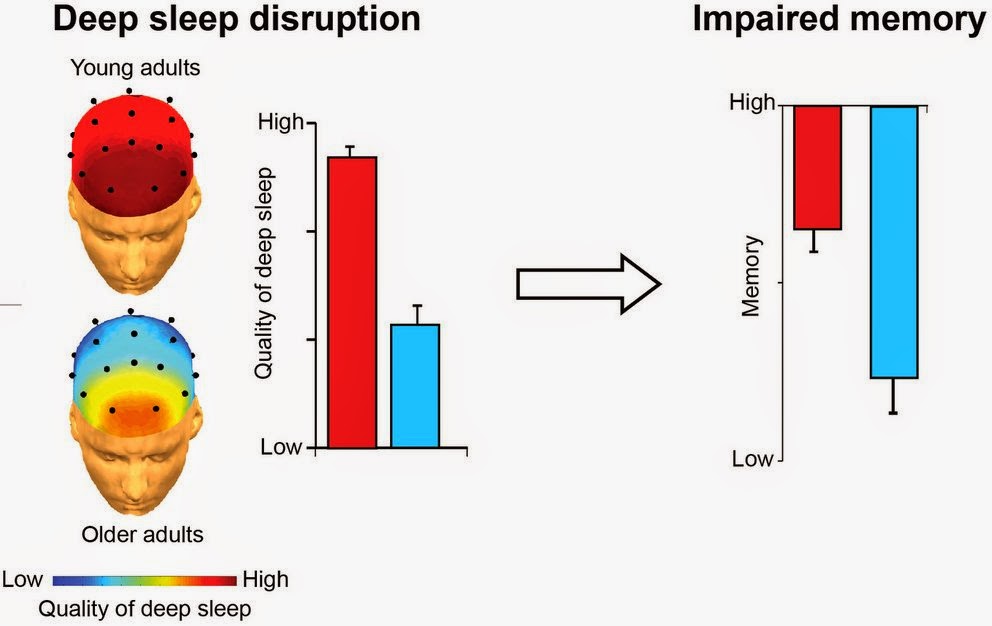
As we get older, we tend to get slightly less sleep, and the quality of that sleep is poorer, with more awakenings throughout the night. Our brains also spend fewer hours in deep sleep mode, that precious time when the frantic chaos of brain activity grinds to a slow burn. During deep sleep, or slow wave sleep, our brain waves stretch out and get less frenetic.
A typical 25-year-old plunges half a dozen times into several hours of sustained deep sleep throughout the night. In contrast, the average 70-year-old brain shuffles quickly in and out of moderate-level sleep, spending only a few minutes in the deepest phase of rest and far more time in shallow sleep or complete wakefulness. The transition between being asleep and awake also becomes far more abrupt as we age. This is probably why older people are generally more likely to call themselves "light sleepers."
Unfortunately, our changing sleep patterns have some pretty stark effects on our health and cognitive functioning.
For starters, not getting enough deep sleep messes with our memory. When we hit deep sleep, our slowed-down brain waves help transfer short-term memories stored in the hippocampus to our prefrontal cortex, where they are recorded as long-term memories. But when we don't spend much time in deep sleep, a recent study study suggests, our newest memories can get stuck in the hippocampus, where they are soon overwritten with new memories.

Hello, Afternoon Nap

In the 1990s, scientists identified a tiny section of the brain that acts as an on/off switch for sleep in mice. Earlier this year, the same team of researchers discovered that humans have a sleep section of the brain, too, and that as we age, we lose the special type of brain cells that live there.
After making this initial discovery, the researchers took a look at the data from a long-term sleep study of more than 1,000 people who joined at age 65 and agreed to be monitored until their deaths. The scientists found that people who lost a larger number of these brain cells had more fragmented sleep patterns — they woke up more and slept for shorter periods. The relationship between the cells and sleep patterns was surprisingly precise: The fewer cells someone had, the more disrupted her sleep. The more disrupted someone's sleep, the worse their memory. 


Our answer to our broken-up cycle of unsatisfying sleep? Naps.
Typically, naps still don't allow us to reach deep sleep, but they do help make up for the decreases in alertness and increases in stress that can result from too little shuteye.

A Lifelong Trend

You might not remember it, but your parents sure do: From the moment they brought you home from the hospital as a newborn, you never slept for more than a few hours at a time.
Yet even after managing to wake them up throughout the night, your infant self clocked in up to 20 hours of sleep each day. By the time you celebrated your fourth birthday, you cut back your daily shuteye to 12 hours, and as a teenager, you slept a conservative 9 hours each night.
In keeping with this gradual trend, the average 35-year-old gets about 8 hours of shut-eye each night. By the time we hit 70, most of us need only about 7 hours. Older people also get far less REM sleep.
The difference between a 70-year-old's sleep schedule and a 35-year-old's, however, is that older people rarely get all that sleep in one solid block, leaving them groggier after waking. Hence the afternoon nap.


Lost Sleep Is Not Always Due To Age

In the elderly, difficulty sleeping could also be a side effect of other problems like muscle spasms, depression, anxiety, and respiratory disorders like sleep apnea, which becomes more common as we age. 
These are often treatable conditions that can go undiagnosed when people assume sleeping problems are simply a natural byproduct of old age. Other chronic conditions, such as arthritis, can disrupt sleep, so it's important to make sure these issues are not simply dismissed as run-of-the-mill insomnia.


Wednesday, October 8, 2014

Notes from Dr. Norman Blumenstock

Data previously published in the American Journal of Epidemiology show that the estimated prevalence rates of obstructive sleep apnea have increased substantially over the last two decades, most likely due to the obesity epidemic. It is now estimated that 26 percent of adults between the ages of 30 and 70 years have sleep apnea.


New studies highlight destructive nature of obstructive sleep apnea and benefits of continuous positive airway pressure therapy. Credit: AASM


Public health and safety are threatened by the increasing prevalence of obstructive sleep apnea, which now afflicts at least 25 million adults in the U.S., according to the National Healthy Sleep Awareness Project. Several new studies highlight the destructive nature of obstructive sleep apnea, a chronic disease that increases the risk of high blood pressure, heart disease, Type 2 diabetes, stroke and depression.

"Obstructive sleep apnea is destroying the health of millions of Americans, and the problem has only gotten worse over the last two decades," said American Academy of Sleep Medicine President Dr. Timothy Morgenthaler, a national spokesperson for the Healthy Sleep Project. "The effective treatment of sleep apnea is one of the keys to success as our nation attempts to reduce health care spending and improve chronic disease management."

Data previously published in the American Journal of Epidemiology show that the estimated prevalence rates of  have increased substantially over the last two decades, most likely due to the obesity epidemic. It is now estimated that 26 percent of adults between the ages of 30 and 70 years have sleep apnea.
Findings from new studies emphasize the negative effects of sleep apnea on brain and heart health; however, these health risks can be reduced through the effective treatment of sleep apnea with continuous positive airway pressure therapy:
  • A neuroimaging study in the September issue of the journal Sleep found that participants with severe, untreated sleep apnea had a significant reduction in white matter fiber integrity in multiple brain areas, which was accompanied by impairments to cognition, mood and daytime alertness. One year of CPAP therapy led to an almost complete reversal of this brain damage.
  • A study published online ahead of print Sept. 21 in the journal NeuroImage found functional and anatomical changes in brainstem regions of people with sleep apnea.
  • A study in the October issue of Anesthesiology shows that diagnosing sleep apnea and prescribing CPAP therapy prior to surgery significantly reduced postoperative cardiovascular complications - specifically cardiac arrest and shock - by more than half.
  • A study published online ahead of print Sept. 19 in the Journal of Hypertensionfound a favorable reduction of blood pressure with CPAP treatment in patients with resistant hypertension and sleep apnea.
  • A Brazilian population study published online ahead of print Sept. 23 found that nocturnal cardiac arrhythmias occurred in 92 percent of patients with severe sleep apnea, compared with 53 percent of people without sleep apnea. The prevalence of rhythm disturbance also increased with sleep apnea severity.
Common warning signs for sleep apnea include snoring and choking, gasping, or silent breathing pauses during sleep. The American Academy of Sleep Medicine, Centers for Disease Control and Prevention, Sleep Research Society and other partners in the National Healthy Sleep Awareness Project urge anyone with signs or symptoms of sleep apnea to visit http://www.stopsnoringpledge.org to pledge to "Stop the Snore" and talk to a doctor about .


Tuesday, September 23, 2014

Crowdsourcing Campaign Launched for Urine Test to Determine Whether Child Has Sleep Apnea or ADHD


Published on September 17, 2014

For millions of kids, a urine test could mean better, healthier sleep and possibly avoiding a mistaken diagnosis of ADHD.  The East Peezy Pee Test is a new diagnostic test in development at NuSomnea that has been found to be 96.5% accurate in determining if a child has pediatric obstructive sleep apnea (OSA), according to NuSomnea.  This condition is associated with symptoms often mistaken for attention deficit/hyperactivity disorder (ADHD).

This week, NuSomnea launched an Indiegogo fundraising campaign to help complete the development of the urinalysis test and to conduct another validation study in children, to confirm the results found in initial studies.

The Indiegogo campaign offers contributors perks including fun t-shirts and backpacks featuring "The Peezies," the characters from the Easy Peezy video, as well as the Easy Peezy Pee Test when it becomes available.

The test identifies the urinary concentrations of four proteins that are predictive of pediatric OSA. "Diagnosing OSA usually requires an expensive stay at a sleep lab.  It's inconvenient for parents and uncomfortable for kids,"  says Michael Thomas, co-founder of NuSomnea, in a release.  "We're changing that with a simple urine test that's more accessible, more accurate and costs about 75% less."

In children, common indicators of OSA are behavioral problems, learning disabilities, hyperactivity and attention problems, which may frequently be diagnosed as ADHD or ADD.  Nearly 7 million children between 4 and 17 years old are currently diagnosed with ADHD, but research has reported that up to 50% might actually have pediatric OSA.  Further, a large percentage of kids with ADHD respond to standard treatment for OSA-tonsil and adenoid surgery-reinforcing the conclusion that many have OSA in addition to or instead of ADHD.  If a child has OSA, treating only for ADHD with stimulant drugs may not resolve the issue.

Because the Easy Peezy Pee Test is so convenient to administer, the manufacturer says it has the potential to be used as both a diagnostic tool and a disease management tool to more closely monitor therapy effectiveness and improve patient outcomes.

The Easy Peezy Pee Test by NuSomnea is still in clinical development and should be available to doctors in 2016.


Monday, September 22, 2014

Sleep sensors: waking up to the need to study our night's rest

Notes from Dr. Norman Blumenstock

Many people are turning to fitness trackers to help boost the health benefits of better sleep

Sales of sleep tracking devices are booming as more people become mindful of their health. Big manufacturers are piling in, but do the gadgets work, and, if so – how? Photograph: Vincent Besnault/Getty Images

Every night Jack Hammond straps a small gadget to his wrist. The sensor claims to track his sleep, monitoring every toss and turn so that when he wakes it can tell him how long he slept, how much of it was deep sleep – and how often he was woken up by his unsociable neighbor.

"I can see that I need about four hours' deep sleep to feel refreshed, and I need to be asleep for about eight hours for that to happen," says Hammond, a 36-year-old plumber from Northhampton. "I can also see that when I've had caffeine too late I get less deep sleep."
Hammond's gadget is a fitness tracker – a small bracelet device that by day can measure his activity and calorie burn, the distance he has walked and altitude climbed, and reveal how long he spends at his desk. Part of the "quantified self" movement, more than 3.8m fitness trackers like Hammond's were sold worldwide in 2013, predicted to rise to 14.6m by the end of 2014, according to the analysts CCS Insight.

"Several devices have supported sleep measurement for some time, from smaller companies such as Jawbone, Fitbit and Basis," said Ben Wood, the head of research at CCS Insight. "The big players are now getting in on the action and Sony and Samsung devices support sleep tracking too."
But do the devices work? Does using them do you any good?
Sleep has always been considered scientifically important to all-round physical health. But efficacy of fitness trackers to measure and improve sleep is less established.
Studies have found that people who sleep for less than six hours a night have a risk of high blood pressure three times greater than those who get more than six hours, and that women who sleep less than four hours a night are twice as likely to die from heart disease as those who sleep longer. Other research suggests that a lack of quality sleep is linked to the onset of diabetes, obesity and cancer, not to mention deterioration of mental health and memory. Conversely, sleeping too long has also been shown to cause issues. The recommended amount is between seven and nine hours.
"There's physical restoration component to sleep, including healing, as well as mental restoration component," explains Dr Michael Breus, a US "sleep doctor", based in Scottsdale, Arizona. "During REM [rapid eye movement] sleep in particular there's a cleaning process to get the trash out of there, and a strengthening process that occurs for the more important memories," said Breus.
"Anything that allows you to wake up feeling refreshed in the morning is what you should be aiming for, which is generally between six and nine hours," explained Dr Irshaad Ebrahim from the London Sleep Centre. "But it's not all about time, it's about the quality of the sleep, whether you complete sleep cycles."
As to using motion trackers to measure sleep, he said: "They're not measuring sleep, simply motion – not muscle tone, brain waves, heart rate or eye movement. You cannot infer quality of sleep from motion and tell what is crucial REM [rapid eye movement] sleep and what is not. People can become obsessed about their sleep through these gadgets doing them a disservice, worrying about it and in turn getting less decent sleep and having a negative impact."
Breus is less concerned. "They pique people's curiosity, and it gets them to ask 'how is my sleep'? That's the best thing about them. I wouldn't say they are dangerous, but it's a garbage-in, garbage-out situation, and it's impossible to make recommendations without good data."
For some users, that curiosity can lead them to understand how to sleep better. "My Fitbit told me I slept for more hours than I thought I did," said James Stockton, 29 from Southampton. "It was quite encouraging, and I could see patterns in my sleep when I exercised more or drank alcohol."
If, however, inspired by a sleep gadget, you want to find out general tips for better sleep, you will discover the advice doesn't fit so well with a modern lifestyle. Screens on smartphones, tablets and TVs emit blue light that disrupts the natural process of falling asleep – and is best avoided for an hour before going to bed. Avoiding alcohol and caffeine raises the quality of sleep, as does getting regular exercise.
Motion trackers aren't the only gadgets claiming to track sleep. Products such as the SleepRate, which comes with a chest strap, will track heart rate, which can be used to infer sleep. Although more accurate than motion trackers, they still cannot conclusively monitor all stages of sleep and reveal the crucial quality of a period of sleep.
"I get patients showing me their sleep data on smartphones," said Breus. "But I can't tell them what I don't know. The data isn't good enough to give them a diagnosis. They could be useful for tracking sleep trends over a longer period of time, to see when something changes, though."
Most of the devices currently available to consumers simply track motion to infer sleep. Sleep therapists use much more sophisticated machines that monitor brain waves, muscle tone and eye movement to directly detect the different phases of light and deep sleep.
The next wave of sleep gadgets, expected to hit the market within six months, is likely to include more sophisticated sleep-trackers that can monitor brain wave activity and eventually other biometric indicators, such as heart rate, muscle tone, eye movement and breathing rate.
Brain wave patterns are thought to be the best indicator at present. "We expect this to become a standard feature in most wearable devices , both fitness bands and smart watches, from now on," said Wood.
In the meantime, many sleep-tracking devices are built into tools for tracking more general fitness – and there is evidence that consumers are losing enthusiasm. A third of owners abandon their fitness tracker within six months, according to research from Endeavour Partners.
"I used to track my sleep with my Flex, but I gave up in the end," said Jessica Ross, 22, from Liverpool. "It was boring and didn't really tell me anything to keep me wearing it either at night or through the day. It lasted four months and then went in a drawer."

Top trackers

There are many devices on the market that claim to track your sleep, some better than others.
Here are six of the best available at the moment.
Misfit Shine – £80 A small metal waterproof disc, the Misfit Shine is one of the smallest and most comfortable to wear. It automatically detects deep and light sleep and awake moments via movement. It has a four-month battery life and outputs the data via Bluetooth to an Android or iPhone app.
SleepRate – £60 Combining a chest heart rate monitor with a smartphone app, SleepRate, which uses a heart rate strap, monitors sleep and can craft a bespoke sleep improvement plan. SleepRate claims to be more accurate than motion-based sleep monitors and if serious problems are detected SleepRate will suggest a visit to a sleep doctor.
Jawbone UP24 – £125 This fitness band can monitor light and deep sleep and waking periods using movement while automatically connecting to an iPhone or Android smartphone via Bluetooth. It will also wake up the wearer with a small vibrating alarm at the optimum time for a maximum refreshed feel.
Fitbit One – £80 Fitbit's pedometer-style fitness tracker can also monitor sleep, slipped into a small soft band worn around the wrist. Like the others it detects movement and can wake the user through a small vibrating alarm.
Fitbit Flex – £80 The Flex is essentially the Fitbit One formed into a bracelet, detecting sleep through moment and connecting to the Fitbit iPhone, Android and Windows Phone app via Bluetooth.
Withings Pulse O2 – £100 The Pulse will track sleep via movement, giving readings on total sleep and sleep cycles, slipping into a bracelet worn around the wrist. It connects via Bluetooth to an iPhone or Android app to display the data.




Friday, September 5, 2014

Too Much Sleep Can Cause Problems


Published on August 29, 2014

With sleep drunkenness in the news, ABC 7 reports on how getting too much sleep can contribute to the problem.

For years medical professionals have warned of the hazards of not getting enough sleep. But getting too many Z’s may be responsible for you feeling dazed, disoriented and confused…and possibly perceived by others as a little drunk.

“If you’re normally sleeping eight hours or so, then suddenly decide, ‘oh, I’m going to have a really nice weekend’ and you sleep eleven or twelve hours, you may wake up so groggy that you don’t really wake up for twenty or thirty minutes,” says Dr. Matthew Edlund at Center for Circadian Medicine.

This happens to a lot of people, he says. “That’s when people wake up, but they really don’t wake up. They’re still in between sleep and awake.”
Most of the time, he says people just feel really, really groggy. “Like this lead pipe hanging over your back, and they just hardly can move.”
SARASOTA, Fla. -- According to the American Academy of Sleep Medicine, about 70 million Americans suffer from sleep disorders. Here are the signs and symptoms of one disorder called Sleep Drunkenness.

For years medical professionals have warned of the hazards of not getting enough sleep. But getting too many Z's may be responsible for you feeling dazed, disoriented and confused…and possibly perceived by others as a little drunk.

“If you're normally sleeping eight hours or so, then suddenly decide, ‘oh, I'm going to have a really nice weekend’ and you sleep eleven or twelve hours, you may wake up so groggy that you don't really wake up for twenty or thirty minutes,” says Dr. Matthew Edlund at Center for Circadian Medicine.

This happens to a lot of people, he says. “That’s when people wake up, but they really don't wake up. They're still in between sleep and awake.”

Most of the time, he says people just feel really, really groggy. “Like this lead pipe hanging over your back, and they just hardly can move.”

This is how you may appear to others. “You'll feel not with it, people looking at you might think that you're drunk, hungover, some people even think that you're having a seizure.”

Oversleep affects more than your clarity. “If you sleep a very long period of time, your appetite may change, that may contribute to your grogginess.”

But, Sleep Drunkenness doesn't just affect those who oversleep.

“Sleep Drunkenness is both sleep deprivation and too much sleep.” Sarasota Memorial Hospital’s Chief of Cardiovascular Surgery Dr. Jeffrey Sell says those with sleep disorders of any kind will have a higher incidence of cardiovascular disease. “In a study of thousands of people in Europe, they looked at 19% of them reported having some kind of sleep problem. And of much higher than usual incidence of cardiovascular disease, as well as obesity as well as hyperlipidemias.”

Hazards of Sleep Drunkenness may not only affect you. “It can cause a danger, especially if you're going to try and get behind a vehicle.”


Monday, June 30, 2014

Asleep at the Wheel: Could Mandating Sleep Apnea Tests for Transportation Operators Reduce Accidents?

Jun 27, 2014, 7:16 PM ET


Cars from a Metro-North passenger train are scattered after the train derailed in the Bronx neighborhood of New York, Dec. 1, 2013.
Edwin Valero/AP Photo


Every day millions of passengers put their lives in the hands of train conductors, bus drivers and the truck drivers who share the road with them. All of these jobs require long, monotonous hours with few breaks in between, which can sometimes lead to drivers falling asleep at the wheel.
When that happens, the results can be catastrophic. While some accidents are caused by simple fatigue, others are caused by an easily diagnosed and treated medical condition called sleep apnea.
Four people died and 63 were injured when a train on New York City's Metro North line crashed outside of the city after the train took a turn too fast and slipped off the rails. The cause of the accident was determined to be the engineer suffered from sleep apnea, which was undiagnosed.
Sleep apnea causes the windpipe to constrict during sleep, waking you up temporarily and preventing deep sleep. Elderly people and those who are overweight are at higher risk.
National Transportation Safety Board member Mark Rosekind said sleep apnea is a national problem with drivers and conductors.
"We have accidents in rail, commercial trucking, commercial aviation, marine, pretty much every mode of transportation," Rosekind said.
Some companies are taking steps to combat this problem. Trucking company Prime has its own sleep lab to screen its drivers for sleep apnea. But so far, there are no nationwide rules to require drivers to be tested, which transportation experts say is a major and dangerous issue.
"One of the biggest problems with that is that many of those people don't know they've got it," Rosekind said.
Former school bus driver Diesha Clay, 30, of Charlotte, North Carolina, was one such driver. Clay was caught on camera falling asleep at the wheel of a school bus full of kids. Clay said she doesn't remember falling asleep, but she was immediately terminated 30 days after the video became public. She was never tested for sleep apnea before or after the accident, until "Nightline" brought her to Carolinas Healthcare System in Charlotte, North Carolina for a test.
"If I do have it, I would be a mixed feeling," Clay said before the test. "I will be happy to know cause then I know what to expect and what I need to do. And then also confused with like, if I would've known before, I don't think I would be in this situation."
To be tested for sleep apnea, a registered sleep technologist monitored Clay overnight, and then Dr. Jaspal Singh reviewed the results with her the following morning. Singh told her she stopped breathing roughly seven times an hour, meaning Clay had "mild to moderate" sleep apnea.
She was given a machine called a CPAP (Continuous Positive Airway Pressure) to wear when she sleeps and help regulate her breathing. Since her diagnosis, Clay has contacted a Human Resources lawyer in the hopes that she may be able to challenge her termination, due to the fact that she had undiagnosed sleep apnea. Clay did not initially challenge her termination.
"To think about the people who don't know they have sleep apnea, it's scary because honestly some people do not know," she said. "For example, like me. I did not know. I didn't have a clue. … In my opinion, I feel like there should be wide testing when it comes to transportation."
But the NTSB says their recommendations for national testing of train conductors, school bus drivers, pilots and truckers are not being acted on fast enough.
"When the NTSB investigates we try to make recommendations so that horrible crashes don't happen again, and so we're going to tell agencies, 'you have to address sleep apnea,'" Rosekind said.
The Department of Transportation declined our request for an interview, but in a statement said, "Safety is the top priority at the Department of Transportation and we recognize that sleep apnea can have a direct effect on those responsible for transporting goods and people. DOT is committed to ensuring that all train operators, truck drivers and pilots are fit for the job and receive the treatment they need to combat sleep apnea."
While critics say nationwide rules for sleep apnea testing are needed immediately, others are not convinced sleep apnea is the sole cause of accidents.
Todd Spencer, the executive vice president of the Owner-Operator Independent Drivers Association (OOIDA), said the theory that sleep apnea causes accidents is "junk science."
"We've not see the impact in safety and health [of sleep apnea] that [the NTSB] talks about," Spencer said. "Generally when somebody's saying, 'This is--we're killing people, we're killing people,' they have an economic interest in pursuing this… either they're make money from treatment, they make money from diagnosis, they make money maybe through lawsuits."
But the DOT said one of its agencies, the Federal Motor Carrier Safety Administration, has begun research that could one day lead to sleep apnea regulation under a law President Obama signed last year.
However, Spencer worries about the cost of getting each driver or conductor tested.
"Just the cost of doing that test is over $2,600," he said. "That's a pretty big piece of change, and that's just for doing the test."
And medical testing is not the only solution. There is also a new low-speed, autonomous breaking device, already widely available in high-end cars, that has the technology to brake to avoid a collision and alert drivers as they start to nod off.
Spencer of the OOIDA is skeptical and believes "technology will never stop crashes," but the NTSB says these high-tech solutions, some of which are just beginning to be available as optional extras on trucks in the United States, hold promise.
"We specifically have looked at some things in rail and trucking and have made recommendations to find innovative technologies that could make a difference in alerting a driver to their fatigued state," Rosekind said.
Dr. Michael Caldwell of the ABC News Medical Unit contributed to this report


Thursday, May 1, 2014

Is snoring ruining your sex life?

Notes from Dr. Norman Blumenstock
Going on vacation can get expensive if you need two rooms.


DONALD M. SESSO, D.O., FOR PHILLY.COM/HEALTH


Are you sleeping in a different room because your partner is snoring? If you are, you’re not alone. The New York Times reports that 25% of couples sleep in separate rooms due to snoring and that 60% of custom homes will be constructed with dual master bedrooms by 2015.

While partners of snorers reported better sleep when sleeping alone, the majority also stated that the arrangement had a negative impact on their relationship.
When couples sleep apart, one of the first things to suffer is their sex life. Moreover, Tina B. Tessina, Ph.D. (aka "Dr. Romance"), a psychotherapist and author of Money, Sex and Kids: Stop Fighting About the Three Things That Can Ruin Your Marriage, confirms that "sleeping apart can contribute to the disconnect that plagues marriage and relationships." Instead of spontaneous interaction, couples have to make a planned effort to meet up. Over time, the loss of sexual activity can lead to a lack of intimacy and bonding.

Spending time in bed together is crucial for couples because it is devoid of the distractions of work, children and obligations. In addition to sex, couples cuddle, touch, and chat, which is an important part of the bonding process that holds relationships together.

Without private time, couples may only interact with each other when dealing with daily activities, which makes them more housemates than intimate partners. This lack of bonding inevitably leads to one feeling distant from the other. Furthermore, getting accustomed to not having sex can reduce the sex drive in both partners.

To avoid the untimely death of your sex life, have your partner’s snoring treated. Doing so will not only improve your relationship but also address sleep apnea, which affects almost 30% of snorers.

Sleep apnea is a medical condition that causes interrupted breathing and a lack of oxygen to vital organs. As you can imagine, sleep apnea can pose serious health risks such as heart disease and stroke which may physically limit people from having sex. In addition, research has shown a strong link between sleep apnea and erectile dysfunction. Men can suffer from reduced testosterone production as a result which may, in turn, cause impotence. Men are not alone. A study performed by the International Society for Sexual Medicine found that women with sleep apnea were also at significant risk of serious sexual dysfunction and decreased libido.

Snoring also takes its toll on your bed partner. People who sleep next to loud snorers report high levels of fatigue, stress, sleepiness, a lower quality of life, and an increased risk of depression due to interrupted sleep. This often leads to a lack of physical intimacy, causing many couples to wonder if they should remain together.

The good news is that snoring and sleep apnea are very treatable. In most cases, snoring, fatigue, erectile dysfunction, decreased libido and other health issues that may be preventing sex can be reversed with proper treatment. Talk to a snoring doctor to determine which treatment is best for you.


Dr. Donald M. Sesso, the Director of The Pennsylvania Snoring and Sleep Institute, is the only triple certified snoring doctor in the tri-state area. He specializes in the surgical treatment of obstructive sleep apnea and sinus disorders and is a Board Certified ENT Otolaryngologist in Head and Neck Surgery, Facial Plastic Surgery, and Sleep Medicine. 

Tuesday, April 29, 2014

The Comparison of CPAP and OA in Treatment of Patients with OSA

Li W, Xiao L, Hu J.

Respir Care. 2013 Jan 3

A systematic review and meta-analysis was performed to compare the outcomes of oral appliances (OA) with those of continuous positive airway pressure (CPAP) in treatment of patients with obstructive sleep apnea (OSA). Relevant studies were retrieved from the following electronic databases up to and including September of 2012: MEDLINE, PubMed, EMBASE, and Central Register of Controlled Trials. The main variables were epworth sleepiness scale (ESS), health-related quality of life, cognitive performance, blood pressure, apnea and hypopnea index (AHI), arousal Index (AI), minimum saturation (Min SaO2), rapid eye movement sleep, % (REM%), treatment usage, side effects, treatment preference and withdrawals.

Fourteen trials were finally included in this review. The investigators results demonstrated that the effects on ESS, health-related quality of life, cognitive performance, and blood pressure of OA and CPAP were similar. Besides, pooled estimates of cross-over trials suggested a significant difference in favor of CPAP regarding AHI, AI, and Min SaO2, while pooled estimates of parallel-group trials showed a significant difference in favor of CPAP regarding AHI and REM%. Moreover, OA and CPAP yielded fairly similar results in terms of treatment usage, hours/night in cross-over trials and, hours/night, nights/week in parallel-group trials), treatment preference, side effects and withdrawals.

The authors concluded that CPAP yielded better PSG outcomes especially in reducing AHI than OA, indicating that OA was less effective than CPAP in improving sleep disordered breathing. However, similar results from OA and CPAP in terms of clinical and other related outcomes were found, suggesting that it would appear proper to offer OA to patients who are unable or unwilling to persist with CPAP. 

Monday, March 3, 2014

Snoring and Sleep

Notes from Dr. Norman Blumenstock:
Find out about the symptoms and solutions of snoring.  Learn how proper treatment and decision can help you on National Sleep Foundation.

Snoring is noisy breathing during sleep. It is a common problem among all ages and both genders, and it affects approximately 90 million American adults — 37 million on a regular basis. Snoring may occur nightly or intermittently. Persons most at risk are males and those who are overweight, but snoring is a problem of both genders, although it is possible that women do not present with this complaint as frequently as men. Snoring usually becomes more serious as people age. It can cause disruptions to your own sleep and your bed-partner's sleep. It can lead to fragmented and un-refreshing sleep which translates into poor daytime function (tiredness and sleepiness). The two most common adverse health effects that are believed to be casually linked to snoring are daytime dysfunction and heart disease . About one-half of people who snore loudly have obstructive sleep apnea .
While you sleep, the muscles of your throat relax, your tongue falls backward, and your throat becomes narrow and "floppy." As you breathe, the walls of the throat begin to vibrate - generally when you breathe in, but also, to a lesser extent, when you breathe out. These vibrations lead to the characteristic sound of snoring. The narrower your airway becomes, the greater the vibration and the louder your snoring. Sometimes the walls of the throat collapse completely so that it is completely occluded, creating a condition called apnea (cessation of breathing). This is a serious condition which requires medical attention.
There are several factors which facilitate snoring. First, the normal aging process leads to the relaxation of the throat muscles, thus resulting in snoring. Anatomical abnormalities of the nose and throat, such as enlarged tonsils or adenoids, nasal polyps, or deviated nasal septum cause exaggerated narrowing of the throat during sleep and thus lead to snoring. Functional abnormalities (e.g. inflammation of the nose and/or throat as may occur during respiratory infection or during allergy season) will result in snoring. Sleep position, such as sleeping on your back, may lead to snoring in some people. Alcohol is a potent muscle relaxant and its ingestion in the evening will cause snoring. Muscle relaxants taken in the evening may lead to or worsen snoring in some individuals. One of the most important risk factors is obesity, and in particular having a lot of fatty tissue around the neck.

SYMPTOMS:

People who snore make a vibrating, rattling, noisy sound while breathing during sleep. It may be a symptom of sleep apnea. Consult your doctor if you snore and have any of the following symptoms or signs:
  • Excessive daytime sleepiness
  • Morning headaches
  • Recent weight gain
  • Awakening in the morning not feeling rested
  • Awaking at night feeling confused
  • Change in your level of attention, concentration, or memory
  • Observed pauses in breathing during sleep


TREATMENT:

Snorers are generally unaware of their snoring, and must rely on the observations of their bed-partners. Some snorers may wake up at night choking and gasping for breath, but this occurs relatively infrequently. If you have been told that your snoring is disturbing to others, or you have some of the symptoms and signs listed above, consult your doctor. He or she will take your history, perform a physical exam and will determine whether you require a consultation with a sleep specialist and a sleep test to determine if you have sleep apnea and to see how your snoring affects your sleep quality.
Depending on the results of the sleep study, you will be presented with a series of options to treat snoring. These will generally include:
  1. lifestyle modification (i.e. avoidance of risk factors mentioned above, sleep position training if applicable, treatment of allergies if applicable, etc…);
  2. surgery (generally on the back of the throat and roof of the mouth, or the nose if applicable, using a variety of instruments including scalpel, laser, or microwaves);
  3. appliances (mainly oral appliances constructed by a dentist experienced in treatment of snoring and sleep apnea, but also other appliances such as nasal dilators); 
  4. and sometimes CPAP (a continuous positive airway pressure appliance which blows room air into the back of the throat thus preventing it from collapse).
The latter method is the treatment of choice for sleep apnea. If you are diagnosed with this condition, it is imperative that you pursue treatment aggressively; untreated sleep apnea will lead to daytime dysfunction and puts you at a higher risk for vascular disease.
Your own doctor, or sleep specialist, will talk to you in detail about each of the above treatment approaches, their chances of success, possible complications, and costs. They will be able to advise you which of the above treatment approaches is the correct one for you.

COPING:

People who suffer mild or occasional snoring, who wake up feeling refreshed, and function well during the day may first try the following behavioral remedies, before consulting their doctor:
  • Lose weight
  • Avoid tranquilizers, sleeping pills, and antihistamines before bedtime
  • Avoid alcohol for at least four hours and heavy meals or snacks for three hours before retiring
  • Establish regular sleeping patterns
  • Sleep on your side rather than your back

POLL DATA:

The National Sleep Foundation's 2002 Sleep in America Poll revealed that 37% of adults report they had snored at least a few nights a week during the previous year. In fact, 27% said that they snore every night or almost every night. Males were more likely than females to report snoring at least a few nights a week (42% vs. 31%).
NSF's 2003 poll, which focused on older adults between the ages of 55-84, reveals that about one-third of older adults overall (32%) report they had snored at least a few nights a week in the past year, with about four in ten 55-64 year olds (41%) most likely to have said they snore compared to about one-fourth of 65-74 year olds (28%) and 75-84 year olds (22%). Men were significantly more likely than women to report snoring at least a few nights a week (40% vs. 26%).
Reviewed by Victor Hoffstein, M.D.

Monday, February 24, 2014

Should Obesity Be a ‘Disease’?

Notes from Dr. Norman Blumenstock:
Please read what the NY Times has to say about obesity.


IN June 2013, millions of Americans contracted a disease. They developed it not because of some pathogen or illness, but thanks to the American Medical Association’s decision to label obesity a “multi-metabolic and hormonal disease state.”

On its surface, this seemed like a good move: Calling obesity a disease provides a clear warning of the significant health risks associated with excessive weight. And the obesity-is-a-disease message sparked attention, funding and research aimed at finding medically driven remedies.

We wondered, however, if there also might be psychological ramifications inherent in that message. Would it reduce or add to the burden of body-image concerns and shame? Would it empower people to fight back, or lead to a fatalistic acceptance of being overweight?

We suspected that, while there might be some benefits, the message that obesity is a disease might also have important psychological costs. In collaboration with our colleague Lisa Auster-Gussman from the University of Minnesota, we tested that hypothesis in three studies of more than 700 people, the results of which recently appeared in the journal Psychological Science.

We randomly assigned some participants to read a newspaper article that detailed the A.M.A.’s recent decision. As a control, we assigned the others to read either a standard public health message about weight-loss goals from Washington Family magazine, or an article specifically stating that obesity is not a disease, which combined news coverage from Forbes and the Fox News website. Finally, they all completed questionnaires related to their attitudes about weight loss and eating behavior.

Our findings confirmed our suspicions. On the positive side, we found that the obesity-as-disease message increased body satisfaction among obese individuals, probably because it removed the shame of obesity as a moral failing.

However, there was also a significant negative consequence. Suggesting that one’s weight is a fixed state — like a long-term disease — made attempts at weight management seem futile, and thus undermined the importance that obese individuals placed on health-focused dieting and concern for weight.

More important, these reduced concerns about weight predicted less healthy, higher-calorie food choices. We asked the participants in the study to look at a menu and select among sandwich options ranging from 230 to 980 calories. Obese participants in the obesity-is-a-disease condition group made choices that had 7 percent more calories than obese participants in the control condition group. For normal-weight participants, food choice did not differ between the control condition groups.

Obesity is a crucial public health issue with significant medical, psychological, economic and social consequences, and there is no simple response to it. Obviously, the prevention and management of obesity need to target its complex and multifaceted causes.

But knowing that fact doesn’t necessarily lead to the right policies. Indeed, this sort of nuanced approach was a goal of the A.M.A.’s decision to label obesity a disease. As Patrice Harris, an A.M.A. board member, noted, “Recognizing obesity as a disease will help change the way the medical community tackles this complex issue.”

However, our research suggests that in targeting this epidemic, it is misguided to paint the problem in the broad strokes of a single definition. Rather, an interdisciplinary perspective is needed. In addition to understanding the medical costs and benefits of public health care decisions and policies, we must examine the individual-level psychological ramifications. When medical fields make decisions without considering the psychological consequences, they do so at their own peril, or perhaps more accurately at the peril of the people they most seek to help.

To be fair, any decision that involves an issue that cuts across physiological and psychological conditions will involve complications and trade-offs. Our research highlights one of these: Calling obesity a disease may make people feel better about their bodies, but it also may contribute to the maintenance, rather than reduction, of obesity.

Ideally, we would have a public health message that leads to a decrease in self-blame and stigma while at the same time promoting adaptive self-regulation and weight loss — both equally important components of the fight against the obesity epidemic. We’ve yet to find an answer to this dilemma.