Showing posts with label Child Behavior and Snoring. Show all posts

Monday, April 13, 2015

Kids Sleep Doctor: App That Improves Your Kid’s Sleep Better Than A Doctor

By  on April 6, 2015

kids-sleep-doctor-1
So parents are about to sigh with relief as a free app to improve children’s sleep has been launched by doctors at the Evelina Children’s Hospital in London. The app, Kids Sleep Doctor, gives parents custom advice, based on the sleeping patterns of their children, like night terrors or teens staying up all night long.
Paul Gringras, a professor of children’s sleep medicine at the hospital, said that the doctors only skim through a patient, seeing “only the tip of the iceberg” due to the “massive” waiting lists. That is why the hospital decided to develop an app which could focus on the patients more closely and give advice along the way as different problems would pop up during the life cycle of the children aged 0 – 16.
The app initially requires details about the children, like bedtimes, where the child falls asleep, how much screen time they have, and consumption of caffeinated drinks.
After five days of collecting the data on the child’s sleep habits, like night-waking and bedtimes, the actual tailored service of advice begins.
“Hopefully they are sleeping in the normal range, but if they’re outside that then it advises parents,” Prof Gringras said.
“Take a five-year-old who suddenly is waking up every night screaming, doesn’t recognize parents and pushes them away. The app would say it is like a night terror and will happen in 10% of children in this age range and they will grow out of it, but they can also try a technique called scheduled waking half an hour after they have gone to bed.”
For teenagers who are unable to sleep until really late into the night, the app would advise parents that the child needs exercise in the afternoon as it promotes healthy sleep.
“These are not annoying daily tips, it’s tailored advice,” he added.
Considering how the doctors are actually letting their waiting lists shorten for an app, it points at the hospital’s ethical responsibility which is to reduce pressure on the overburdened service, and does not focus on making a few extra dollars.
“I think there’s a lot of people it could prevent needing to see a GP. Parents can do a brilliant job,” added Prof Gringras.
However, the 200,000 children diagnosed with serious sleep disorders such as narcolepsy or obstructive sleep apnoea would still require proper doctor consultation.
Moreover, the app has a dark and orange palette to minimize the amount of blue light emission, which is the wavelength of light that disrupts sleep.
Psychologist and child therapist Professor Tanya Byron commented:
“Many children are affected by sleep problems which can have a major effect on the whole family. Getting a good night’s sleep is so important for a child’s physical and mental development, behaviour and concentration – to name but a few. We know parents know their children better than anyone, and I’m confident that the ‘Kids Sleep Dr’ app will help parents to understand and better manage their child’s sleep problems.”
Kids Sleep Doctor is currently available free on iOS. Android and Windows versions are in the pipeline.


Tuesday, January 27, 2015

Neck-to-waist ratio can help predict pediatric obstructive sleep apnea


January 19, 2015


Research from Canada demonstrated that a neck-to-waist ratio of >0.41 has sufficient sensitivity and specificity to be considered a predictor of obstructive sleep apnea.
Neck-to-waist ratio can help predict pediatric OSA
Adults are not the only ones who develop sleep apnea. The condition occurs frequently in children as well. The statistics are quite staggering -- up to 66% of obese children are diagnosed with apnea compared with 5.7% of non-obese children. This is another reason to keep children active and help them make better food choices.
Just as with adults, the consequences of sleep apnea can lead to other health issues. In children, learning and behavioral problems can be the first symptoms that suggest there is something happening in their sleep.

In adults, obstructive sleep apnea is the collapse of the pharyngeal tissue which causes obstruction of breathing during sleep. Children often develop sleep apnea because of large tonsils and adenoids. When a child is not sleeping well, ask his or her parents about snoring or if they can hear their child breathing from across the room. These are indications that tonsils and adenoids are hypertrophic.
As a provider, keep a measuring tape in your drawer can be helpful in determining whether your pediatric patient has obstructive sleep apnea. Research from Canada suggests that a neck-to-waist ratio of >0.41 has sufficient sensitivity and specificity to be considered a predictor of obstructive sleep apnea. The neck circumference is measured at the most prominent part of the thyroid cartilage and the waist circumference equidistant between the iliac crest and the lowest rib.
Of course, if you believe a child has obstructive sleep apnea it is important to order a polysomnogram to confirm the diagnosis. As it is often a concern, assure your patient that sleep labs have rooms set up for parents to stay with their child. Treatment may be as simple as removal of tonsils and adenoids, however, some children may need continuous positive airway pressure (CPAP) therapy. 
Children are not able to always put into words what they are feeling physically. As adults, we can say we are tired or fatigued, while children might not be able to do so. Ask parents how the child is interacting with other children or siblings. Are they falling asleep if not active? How are they doing in school? How is their behavior at home?
On your pediatric patient's next visit, remember to measure their neck and waist to see if they might need to a sleep study to assess for obstructive sleep apnea.


Friday, December 12, 2014

Notes from Dr. Norman Blumenstock

Breathing problems or a chronic lack of sleep early in life may double the risk that a child will be obese by age 15, according to research published Thursday in The Journal of Pediatrics.

December 11, 201410:54 AM ET
ALISON BRUZEK
Sleep tight — and quietly, please.
ImageZoo/Corbis
A solid night's sleep does more than recharge a growing brain — it may also help keep a growing body lean.

Breathing problems or a chronic lack of sleep early in life may double the risk that a child will be obese by age 15, according to research published Thursday in The Journal of Pediatrics.

Childhood obesity has been linked before with the number of hours a kid sleeps each night. But other early problems with nighttime breathing — like snoring, or the more serious sleep apnea — also seem to be predictive of significant weight gain among children, according to the research.

It's the first study to look at both sleep duration and breathing problems as separate risk factors for obesity, says Karen Bonuck, professor of family and social medicine at the Albert Einstein College of Medicine of Yeshiva University and lead author.

"Sleep problems need to be thought of as a composite," she tells Shots. "It's not just sleep duration, sleep hygiene, sleep-disordered breathing. We need to think about healthy sleep overall, and we need to think about it early."

To examine sleep habits and how they might predict a child's body mass index, Bonuck and her colleagues used the Avon Longitudinal Study of Parents and Children, which tracked 1,900 children in England for 15 years.

The mothers surveyed were asked how long their children typically slept at ages 18 months, 2.5 years, about 5 years, 6 years and 7 years. They also reported any sleeping problems like snoring, apnea or mouth breathing between the ages of 6 months and about 7 years old. Finally, the survey collected the height and weight of the children at ages 7 years, 10 years and 15 years.

They found that children who had multiple sleeping problems were twice as likely to be obese by age 7, 10 or 15 years, compared with those who had no problems. At age 15, 9.7 percent of teens with no sleep problems were obese, compared with 18.3 percent of those with multiple sleep problems.

In addition, children who slept less than 10 hours per night at ages 5 and 6 years were more likely to be obese at age 15.

While the study could only confirm an association, not causality, it makes sense that children who don't get enough solid sleep are tired, and may eat more, sleep scientists say. "Some of this actually might be related to certain hormones that regulate appetite," says Dr. Rakesh Bhattacharjee, a pediatric sleep medicine specialist at the University of Chicago Medicine Comer Children's Hospital.

Another theory holds that poor sleep quality or short duration may cause stress on the body that leads to inflammation.

Though many questions about sleep's effects and mechanisms remain, all agree it's important, especially in growing children, Bonuck says. Newborns should get around 16 to 18 hours per day, according to the Centers for Disease Control and Prevention, and preschoolers 11 to 12 hours.

Parents should look for early signals, Bonuck says. Noisy or halted breathing at night could mean something serious is amiss. "Watch your child," she says. "Does she or he snore more than three times a week?"

The American Academy of Pediatrics recommends that all children who snore regularly be screened for sleep apnea — partly because it's easier to prevent childhood obesity than to treat it. "As Benjamin Franklin once said, 'An ounce of prevention is worth a pound of cure,' " Bonuck says. "Pun intended."

Evidence Mounts for Poor Sleep/Pediatric Obesity Connection


Sleep-related breathing problems and chronic lack of sleep may each double the risk of a child becoming obese by age 15, according to new research from Albert Einstein College of Medicine of Yeshiva University. The good news is that both sleep problems can be corrected. The study, which followed nearly 2,000 children for 15 years, published online in The Journal of Pediatrics.

“In recent years, lack of sleep has become a well-recognized risk for childhood obesity,” said Karen Bonuck, Ph.D., professor of family and social medicine and of obstetrics & gynecology and women’s health at Einstein and lead author on the paper. “Sleep-disordered breathing, or SDB, which includes snoring and sleep apnea, is also a risk factor for obesity but receives less attention. These two risk factors had not been tracked together in children over time to determine their potential for independently influencing weight gain. Our study aimed to fill in that gap.”

Dr. Bonuck and her colleagues used data collected on 1,899 children by the Avon Longitudinal Study of Parents and Children (ALSPAC) based in Avon, England. ALSPAC collected parent questionnaire data on both child sleep duration and SDB symptoms from birth through 6.75 years and child BMI data from research ALSPAC clinics.

Sleep-disordered breathing
The researchers found that children with the most severe SDB had the greatest risk for obesity. Those children who fell into the “worst case” SDB category were twice as likely to become obese by 7, 10 and 15 years of age, compared to the asymptomatic group. Children considered “worst case” scored highest for SDB symptoms of snoring, sleep apnea or mouth-breathing.

Children whose SDB peaked later, around 5 to 6 years old, fared better but still had a 60 to 80 percent increased risk of becoming obese. Overall, one-fourth of children in this population-based cohort had an increased statistical risk of obesity that arose from SDB symptoms experienced earlier in life.  Obesity was defined as BMI greater than the 95th percentile for age and gender, according to the International Obesity Task Force.

Sleep duration
With respect to sleep duration, children with the shortest sleep time at approximately 5 and 6 years of age had a 60 to 100 percent increased risk of being obese at 15 years. Children with short sleep duration at other ages saw no significant increase in risk. (In this study, children with short sleep duration were those who, in any given age group, slept less than 90 percent of their peers. For those aged 5 and 6 years old, this was 10.5 hours a night or less.)

Interestingly, SDB and lack of sleep were equally strong risk factors for obesity, but their effects were independent of each other. The researchers looked for associations between short-sleep-duration children and SDB children across all age groups included in the study but did not find clustering, i.e., there was little evidence that children with one risk factor were more likely to also be affected by the other.  The study did not analyze whether children affected by both of the sleep-related risk factors were at greater risk for obesity than were children who had just one risk factor.


Tuesday, November 11, 2014

Notes from Dr. Norman Blumenstock
A five year study is a wake-up call to a child snoring problem
Obese boys are more prone to habitual snoring than other children and they sleep less hours.

This would have been a better study if they all had sleep studies to see how many children had undiagnosed sleep apnea.

Obese boys are more prone to habitual snoring than other children, a five-year study reveals. Photo: Reuters


Obese boys are more prone to habitual snoring than other children, a five-year study reveals.
The paediatric department of Kwong Wah Hospital in Yau Ma Tei conducted a phone survey with parents of 3,047 children in 2002 to understand the prevalence of sleep symptoms among local primary school pupils.
A similar follow-up survey was conducted five years later when the students had reached puberty. In 2007, researchers managed to interview 2,005 of the students involved in the first survey.
They found that 12.7 per cent of respondents, or 254 teenagers, were habitual snorers, meaning they snored on at least six nights a week.
About 40.6 per cent of pupils suffered from habitual snoring in both studies, while 7.1 per cent of children became habitual snorers when they moved to secondary school.
Dr Daniel Ng Kwok-keung, head of paediatrics at Kwong Wah Hospital, said male gender and a body mass index over 30 were factors leading to persistent and incidental habitual snoring.
Allergic rhinitis, inflammation of the nasal airways, is associated with persistent habitual snoring, while asthma is linked with incidental habitual snoring, meaning non-snorers started to snore in the second stage of study.
Habitual snoring affected the quality of teenagers' sleep. Pupils who showed excessive daytime tiredness slept for 7.1 hours on average every day, which is half an hour less than those who did not show any tiredness during the day, the study found.
The study pointed out that as many as 90 per cent of respondents did not reach the international recommended sleeping range of at least 91/2 hours a day. Hong Kong teenagers sleep for an average of 7.6 hours a day.
To prevent habitual snoring, Ng suggests that children exercise for one hour every day to prevent obesity, treat allergic rhinitis with nasal wash or topical steroid, and avoid sleep deprivation.
He also advised children to maintain proper sleep hygiene, such as avoiding exposure to a computer monitor two hours before bedtime and by exercising in the afternoon.
The result of the research was published in the Journal of Paediatrics and Child Health in June.


Friday, October 31, 2014

Sleeping nightmare: How snoring meant my child was naughty and only surgery could help


Notes from Dr. Norman Blumenstock
My advice to parents is if you have a child who snores and whose behaviour is out-of-control, have a sleep test.

Katrina Creer with her son Mitchel, 4, battled sleep aponea for years.

WE used to think it was a blessing our youngest child was a terrible snorer. Exhausted after a morning of meltdowns it was never a problem putting him down for his nap. And his snoring was so loud I didn’t even have to walk down the corridor to check on him.

But when he was awake, things were different. While most two-year-olds have tantrums our toddler’s were in the extreme. While other children amused themselves at the local playgroup, my son was trying to escape out the door.

SIGNS OF SLEEP APONEA

  • Snoring in children with sleep aponea normally starts around two years
  • It can also occur in seven to nine year olds, usually as a result of allergy or obesity
  • Children tend to sleep with their neck and head stretched back
  • They are fussy eaters preferring soft foods like cheese and yoghurts over hard to swallow foods
  • They are often restless and sweaty sleepers
  • They can be cranky during the start and end of the day, but will often appear hyperactive
  • Take a video of your child sleeping and see your GP
  • Other signs are blocked nose, dry lips and dark rings around eyes. They can also have a cross bite


Whenever possible, I needed someone to help me put him in his car seat as he would lie down on the floor kicking and waving his arms. This went on for two years.

Not surprisingly, there were very few offers to babysit. Friends and family didn’t always see the same loving and cuddly little boy we knew, which always reassured us there was probably nothing seriously wrong.

But by his third birthday, Mitchell barely slept through the night and his behaviour was wearing thin. Dinnertime was a struggle but by chance, one day I noticed a huge set of tonsils.

I sounded desperate but luckily our GP agreed and sent us to an Ear, Nose and Throat specialist.
While we had sought medical help before for his behaviour, we were told he would most likely outgrow it. In our sleep-deprived fog, we don’t remember anyone asking us “does your son snore?”

The specialist immediately suspected sleep aponea.

The condition causes a loss of airflow during rest often due to enlarged tonsils or adenoids.
It can also make young children naughty, despite being very tired they appear hyped-up. According to doctors, it mimics the symptoms ADHD.

The only way to make a definite diagnosis was a sleep study. The cost was covered by our private health insurance. Mitchell was wired up and eventually dosed off during our overnight stay in hospital.

Katrina Creer with her son Mitchel, 4, now enjoy a more soothing night’s sleep.

As I lay in the same room, I could hear him noisily sucking in the air. Occasionally it would go quiet and then restart. He never fully woke and if we were at home, we would have thought it was a good night.

The test showed Mitchell had a moderate sleep aponea waking on average 26 times every hour with his oxygen levels dipping to 80 per cent. It is likely he had never been in a deep enough sleep to ever dream.

I felt relief when told the results. Over the years I’d been given plenty of parenting advice, but deep down I always felt like he just couldn’t help it.

Three months after surgery and a much calmer little boy had emerged. And now, almost a year after surgery, he has become an absolute joy.

My advice to parents is if you have a child who snores and whose behaviour is out-of-control, have their sleep checked.

For further information contact the Woolcock Institute on (02) 9114 0000 or www. woolcock.org.au


Wednesday, October 22, 2014

Snoring likely to be in your genes

Notes from Dr. Norman Blumenstock
Children whose parents suffer from obstructive sleep apnea have a much higher chance of having the condition, reports The New Zealand Herald.
There’s bad news for the children whose parents keep them awake at night snoring – they are more likely to follow in their parents’ footsteps and be noisy sleepers too.

5:00 AM Thursday Oct 9, 2014

Study shows 5 to 10 per cent of adults have severe sleep apnoea and the majority of them are overweight.

Children whose parents suffer from obstructive sleep apnoea - of which snoring is a major symptom - have a much higher chance of having the condition. Photo / Thinkstock
There's bad news for the children whose parents keep them awake at night snoring - they are more likely to follow in their parents' footsteps and be noisy sleepers too.
Children whose parents suffer from obstructive sleep apnoea - of which snoring is a major symptom - have a much higher chance of having the condition than children whose parents do not, according to new research from Otago University which has found a genetic link.
Obstructive sleep apnoea is a sleep breathing disorder that occurs when the muscles in the back of the throat close off the airway during sleep.
But as well as keeping the family awake all night, sleep apnoea can affect a child's learning at school by hindering their ability to retain information, making them more sleepy during the day and more prone to developing cardiovascular issues such as hypertension later in life.
Otago University in Wellington senior lecturer and co-researcher of the study Dr Angela Campbell said the consequences could be serious, so it was important problems were picked up early.
The study involved asking 25 children whose parents had obstructive sleep apnoea (OSA) and 25 whose parents were low risk questions about symptoms related to snoring and sleep apnoea. It found a significantly larger number of the children whose parents had sleep apnoea appeared to exhibit the related symptoms such as snoring, restlessness at night, breathing through the mouth, sweating in the night and hyperactivity during the day.
The children whose parents had sleep apnoea were more likely to snore loudly and to have crowded or small airways.
Factors that contributed to sleep apnoea included facial structure, which could be genetic, and being overweight.
Dr Michael Hlavac, NZ Branch Committee chairman of the Australasian Sleep Association and director of the sleep unit at Christchurch Hospital, said about 20 per cent of adults had sleep apnoea. It was twice as common in men. Between 5 and 10 per cent of adults had severe sleep apnoea. Most were overweight.

NZ Respiratory and Sleep Institute clinical director Dr Andrew Veale said it was not surprising there was a link between parents who had sleep apnoea and their children because certain bone structures and tongue sizes made it more likely. He said it was effectively treated in children by removing their tonsils.
 Mask solves sleeping problem
After years of sleeping badly, Jill Hammonds, 61, was diagnosed with sleep apnoea about 10 years ago.
The Paraparaumu  woman said she initially became aware of the problem because she was constantly overtired.
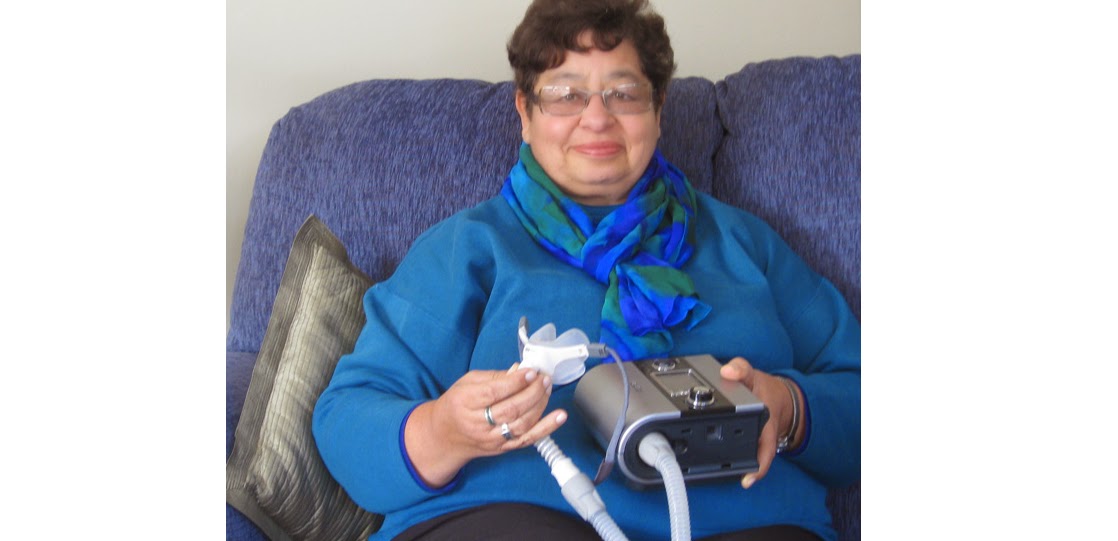
Once diagnosed, she was given a mask connected to a machine that helped her airways remain open while she slept.
Though it took her a while to get used to wearing the mask, she has had no health problem related to the condition since.
"It took me a long time to get to the stage where my sleep was better," she said, but now she was not overtired at all.
Ms Hammonds said it was important that people with the condition got support to deal with it, which was why she was part of the Sleep Apnea Association of New Zealand, which held support group meetings around the country.
Ms Hammonds said she had two grown sons and four grandkids, but luckily none of them suffered from the condition. She hoped more research would be done.
- Susan Strongman
5 ways to sleep better
1 Have a regular sleep pattern
2 Spend the right amount of time in bed
3 Bed is for sleeping, not entertainment
4 Wind down and relax before going to bed
5 Have a comfy bedroom.


Tuesday, September 23, 2014

Crowdsourcing Campaign Launched for Urine Test to Determine Whether Child Has Sleep Apnea or ADHD


Published on September 17, 2014

For millions of kids, a urine test could mean better, healthier sleep and possibly avoiding a mistaken diagnosis of ADHD.  The East Peezy Pee Test is a new diagnostic test in development at NuSomnea that has been found to be 96.5% accurate in determining if a child has pediatric obstructive sleep apnea (OSA), according to NuSomnea.  This condition is associated with symptoms often mistaken for attention deficit/hyperactivity disorder (ADHD).

This week, NuSomnea launched an Indiegogo fundraising campaign to help complete the development of the urinalysis test and to conduct another validation study in children, to confirm the results found in initial studies.

The Indiegogo campaign offers contributors perks including fun t-shirts and backpacks featuring "The Peezies," the characters from the Easy Peezy video, as well as the Easy Peezy Pee Test when it becomes available.

The test identifies the urinary concentrations of four proteins that are predictive of pediatric OSA. "Diagnosing OSA usually requires an expensive stay at a sleep lab.  It's inconvenient for parents and uncomfortable for kids,"  says Michael Thomas, co-founder of NuSomnea, in a release.  "We're changing that with a simple urine test that's more accessible, more accurate and costs about 75% less."

In children, common indicators of OSA are behavioral problems, learning disabilities, hyperactivity and attention problems, which may frequently be diagnosed as ADHD or ADD.  Nearly 7 million children between 4 and 17 years old are currently diagnosed with ADHD, but research has reported that up to 50% might actually have pediatric OSA.  Further, a large percentage of kids with ADHD respond to standard treatment for OSA-tonsil and adenoid surgery-reinforcing the conclusion that many have OSA in addition to or instead of ADHD.  If a child has OSA, treating only for ADHD with stimulant drugs may not resolve the issue.

Because the Easy Peezy Pee Test is so convenient to administer, the manufacturer says it has the potential to be used as both a diagnostic tool and a disease management tool to more closely monitor therapy effectiveness and improve patient outcomes.

The Easy Peezy Pee Test by NuSomnea is still in clinical development and should be available to doctors in 2016.


Monday, September 15, 2014

Notes from Dr. Norman Blumenstock

Excessive snoring might seem like a relatively harmless issue, but more evidence shows that sleep apnea can cause serious health issues to your brain.

First Posted: Sep 10, 2014 06:16 PM EDT


More than 18 million Americans are estimated to have sleep apnea, a breathing disorder that disrupts air flow and can result in a poor night's rest. (Photo : Reuters)

Excessive snoring might seem like a relatively harmless issue, but more evidence shows that sleep apnea can cause serious health issues to your brain.
Recent findings published in the journal PLOS ONE show that blood flow in the brain can actually damage related tissues presented by this health issue.
"We know there is injury to the brain from sleep apnea, and we also know that the heart has problems pumping blood to the body, and potentially also to the brain," said lead study author Paul Macey, associate dean for Information Technology andInnovations at the UCLA School of Nursing, in a news release. "By using this method, we were able to show changes in the amount of oxygenated blood across the whole brain, which could be one cause of the damage we see in people with sleep apnea."
For the study, researchers measured blood flow in the brain by using a non-invasive MRI procedure: the global blood volume and oxygen dependent (BOLD) signal. This method is usually used to observe brain activity. Because previous research showed that poor regulation of blood in the brain might be a problem for people with sleep apnea, the researchers used the whole-brain BOLD signal to look at blood flow in individuals with and without obstructive sleep apnea (OSA).
In the study, researchers measured men and women both with and without the issue that had their BOLD signals measured during three physical tasks while they were awake, according to the release: 
• The Valsalva maneuver: participants forcefully breathe out through a very small tube, which raises the pressure in the chest.
• A hand-grip challenge: participants squeeze hard with their hand.
• A cold pressor challenge: A participants's right foot is put in icy water for a minute.
"When we looked at the results, we didn't see much difference between the participants with and without OSA in the Valsalva maneuver," said Macey. "But for the hand-grip and cold-pressor challenges, people with OSA saw a much weaker brain blood flow response."
"This study brings us closer to understanding what causes the problems in the brain of people with sleep apnea," concluded Macey.
With future studies, researchers hope to determine better treatments for certain types of obstructive sleep apnea and how to reverse related health issues. 


Tuesday, September 9, 2014

Untreated snoring in kids may lead to heart disease: expert

TNN | Aug 26, 2014, 10.51PM IST

Kanpur: Does your kid snore while sleeping at night? If the answer is `yes', you should immediately consult a doctor, as it can be a symptom of sleep breathing disorder, a more serious underlying problem that can affect your child's physical and mental well-being, an expert revealed during the third day of IMA CGP.

Dr JC Suri from New Delhi, said that sleep breathing disorder is most common among kids between 2-18 years of age. "This problem is seen in about 5% of children between this age group. The biggest reason being excessive growth of tonsils and adenoid in the back of the throat. Major symptoms of the disease include snoring, irregular sleep, increased aggressiveness, change in attitude etc.

Children who are chronically sleep deprived may be prone to problems with attention behavior, learning and mood. If not treated on time the disorder can take shape of chronic heart disease. With the advancement of science today we have developed ways to cure the disease without operating the child," the doctor said.

Dr Anant Kumar, a urologist from New Delhi,speaking on the occasion said that Kidney stone has become one of the major concerns among youngsters today. He said the changing lifestyle and environmental conditions are responsible the for increasing cases of Kidney stones.

"The problem is common in all age groups. It is wrong to say that the only reason is excessive eating of junk food. Our over all lifestyle is responsible for the alarming situation. Kidney is a support system of the human body. Any damage to any part of the body may hamper the working of the kidney," he said.

"The main symptoms of kidney disease include, swelling of legs and area under the eyes, rise in blood pressure, lethargy etc. Person with these symptoms should be immediately taken to a doctor, followed by a urine test. Every person after the age of 50 years must go for regular checkups." Dr Kumar added.

In the third session of the day, Dr. Anupam Sachdeva, a senior doctor in Sri Gangaram Hospital, New Delhi, talked about common hematological problems in children. He told how the blood test can be helpful for identification of different diseases. He said that blood cancer in kids is now treatable and to a large extent even curable.